
Few household issues are as frustrating as a bed bug infestation. These tiny, blood-sucking pests are notoriously hard to detect and even harder to eliminate. Once they’ve made your bed, sofa, or luggage their home, it can feel like a never-ending battle.
But don’t panic—bed bugs can be dealt with. In this guide, we’ll walk you through the signs of a bed bug infestation, why they spread so quickly, and most importantly, how to get rid of them effectively.
What Are Bed Bugs?
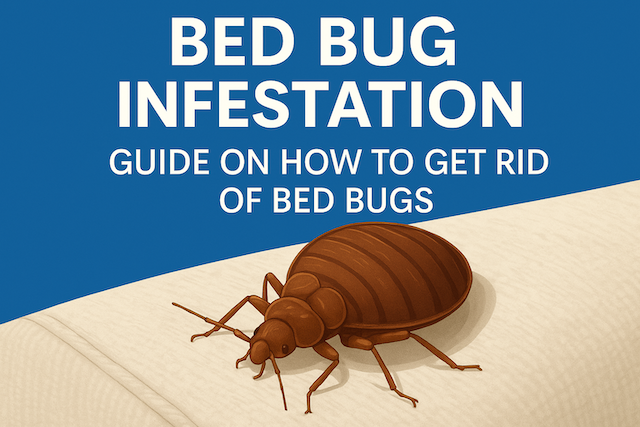
Bed bugs are small, reddish-brown insects that feed on human blood, typically at night. Adult bed bugs are about the size of an apple seed (5–7mm), flat, and oval-shaped.
They don’t fly, but they crawl quickly and can hide in mattresses, bed frames, furniture, cracks, baseboards, and even behind wallpaper. Their ability to hide well and reproduce rapidly makes them a nightmare for homeowners.
Signs of a Bed Bug Infestation
Catching the infestation early is key. Here are the most common signs:
-
Small red bites or welts on your skin, especially after sleeping.
-
Blood stains on sheets or pillowcases.
-
Rust-colored spots on bedding or mattresses (bed bug excrement).
-
Musty, sweet odour in heavily infested areas.
-
Tiny white eggs or eggshells in mattress seams or cracks.
-
Live bed bugs, particularly in hidden corners of your bed or furniture.
How Bed Bugs Spread
Bed bugs don’t live in filth—they’re equal-opportunity invaders. They’re often spread through:
-
Luggage (from hotels, public transport, etc.)
-
Used furniture or mattresses
-
Shared laundry facilities
-
Visitors or workers carrying them unknowingly
-
Multi-unit buildings (they can travel through wall cracks, electrical outlets, or pipes)
Once inside your home, they multiply quickly, with females laying up to 5 eggs a day.
Step-by-Step Guide: How to Get Rid of Bed Bugs
1. Confirm the Infestation
Before starting treatment, make sure it’s really bed bugs. Use a flashlight and magnifying glass to inspect:
-
Mattress seams and tufts
-
Bed frames and headboards
-
Under furniture and inside drawers
-
Along baseboards and carpet edges
If you find live bugs, exoskeletons, or eggs, it’s time to act.
2. Declutter and Contain the Infestation
Remove unnecessary clutter, especially around beds and walls.
-
Seal clothing, bedding, and linens in plastic bags before laundering.
-
Use a hot wash (60°C or higher) and high-heat drying cycle to kill all life stages.
-
Items that can’t be washed should be sealed in plastic and left in direct sunlight or frozen (below -18°C) for several days.
3. Vacuum Thoroughly
Vacuuming can remove live bugs and eggs:
-
Use a vacuum with a HEPA filter.
-
Focus on mattresses, box springs, bed frames, floor cracks, baseboards, and upholstered furniture.
-
Immediately dispose of the vacuum bag in a sealed plastic bag and throw it outside.
4. Steam-Treat Infested Areas
High heat is lethal to bed bugs.
-
Use a steam cleaner with a nozzle attachment on mattresses, carpets, and baseboards.
-
Ensure the temperature reaches at least 100°C (212°F) to kill bugs and eggs.
5. Apply Insecticides (Use With Caution)
Use registered insecticides labelled for bed bug control:
-
Residual sprays for cracks and crevices
-
Insecticidal dust for electrical outlets and hard-to-reach areas
-
Contact sprays to kill bugs on contact
If you’re unsure or dealing with a large infestation, it’s best to hire a licensed pest control professional.
6. Use Bed Bug-Proof Encasements
Once treated, cover your mattress and box spring with bed bug-proof encasements. This traps any remaining bugs inside and prevents new ones from entering.
Keep the encasement sealed for at least a year, as bed bugs can survive months without feeding.
7. Monitor with Bed Bug Traps
Use bed bug interceptor traps under bed legs to monitor any ongoing activity. These help catch bugs trying to climb up or down the bed.
How to Prevent Future Infestations
-
Inspect hotel rooms and luggage after travelling.
-
Avoid secondhand furniture, or inspect and treat it before bringing it home.
-
Regularly vacuum and clean bedding and upholstery.
-
Use light-colored sheets to easily spot stains or bugs.
-
Seal cracks and crevices in walls and floors.
If you live in a multi-unit building, notify your landlord or management immediately. The entire building may need treatment.
When to Call a Professional
DIY methods can help with early or small infestations, but a pest control professional is essential if:
-
The infestation is widespread
-
You continue seeing bites or bugs after treatment
-
You’re unsure where the bugs are hiding
Professionals use advanced tools like heat treatments, fumigation, and professional-grade insecticides that are more effective and longer-lasting.
Conclusion
Bed bug infestations can feel overwhelming, but with patience, thoroughness, and persistence, you can eliminate them. Early detection, consistent cleaning, and professional help (if needed) are your best tools in this battle.
Remember: the sooner you act, the easier it is to reclaim your peaceful, bite-free sleep.